.jpg)

Friday 18th June, 2027 8:15am to 5:00pm
Stronger Together
Peer Support Conference 2027
Learning • Skills • Stories
Stronger Together: Peer Support Conference 2027
Mental Health and Wellbeing Conversations
Peer Support for Emergency Services, First Responders, Health Workers & Veterans,
counsellors, psychotherapists, hypnotherapists, psychologists,
general local community members and those with Lived Experience
A one-day conference on peer support, trauma, and practical ways to look after each other and ourselves.
Plenty Ranges Arts & Convention Centre
South Morang
(City of Whittlesea, VIC)
Friday 18th June, 2027
8:15 am - 5:00 pm
Peer support isn’t an abstract concept it’s what happens when people who’ve carried the load for others find a safe place to belong again.
The AAMHP is proud to partner with a growing network of providers across the mental health, education, training and professional development space. Together, we share a commitment to practical, trauma-informed support that strengthens peer capability while also ensuring people can be connected to qualified help when needed.
This partnership approach reflects the purpose of Stronger Together: peer support works best when it is not left to chance. It is most effective when it is backed by clear pathways, supervision options, professional standards, and a wider ecosystem of care so peers can show up with confidence, boundaries, and real follow-through.
If your organisation provides training, supervision, clinical services, peer workforce support, or wellbeing capability-building, we welcome partnership conversations that strengthen the quality and reach of this event.
Why this conference, why now
Trauma doesn’t always show up on the day it happens.
For many people working in high-stress helping and protection roles such as veterans, first responders, healthcare workers, and those supporting others welfare, the impact of trauma can emerge later, and in unexpected ways. It can build quietly through repeated exposure, vicarious trauma, moral injury, and accumulated stress… Many don't notice until it starts showing up in our relationships, our work, our health, and our sense of self.
Stronger Together is a one-day, practical conference focused on peer support: how we notice when someone’s not okay, how we start the conversation, how we listen well, and how we connect people to the right supports, without asking peers to carry what belongs to the system.
A common theme on on the day borrows from the spirit of the R U OK? conversation model (Ask • Listen • Encourage action • Check in), and exploring what it looks like when that approach is strengthened through peer-to-peer practice and backed by institutions, clinical pathways, and qualified support.
Hosted by AAMHP
The Australian Association of Mental Health Practitioners (AAMHP) represents and supports vocationally trained mental health practitioners across Australia strengthening practice, advocacy, professional development, and pathways to safe, accessible care.
This conference is part of AAMHP’s commitment to practical, community-connected mental health solutions that recognise the realities of frontline work and the importance of peer support as both a protective factor and a structured practice.
We’re excited to confirm that our Master of Ceremonies for the day is Richard Hill (MA, MEd, MBMSc, DPC) an experienced psychotherapist, educator and author known for making complex ideas about the brain, stress and wellbeing feel practical, human, and usable. Richard brings warmth, clarity and momentum to conversations that matter, with a strong focus on how people change, heal, and grow through connection.
Meet our Keynote Speaker
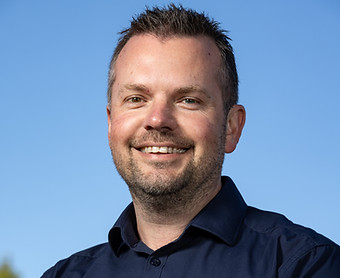
About Matt Newlands Frontline Mental Health
Matt Newlands is a former South Australia Police officer, registered counsellor, speaker and Co-Founder of Frontline Mental Health. After more than a decade in frontline policing, Matt's own experience of PTSD, depression and career loss profoundly changed the direction of his life.
Today, he combines lived experience, professional practice and compelling storytelling to explore mental health, identity, peer connection and post-traumatic growth. Matt is a national R U OK? Community Ambassador and has previously represented first responders on the South Australian Government's Suicide Prevention Council. His work challenges audiences to look beyond simply surviving adversity and consider what growth might make possible.
Meet our PRESENTERS
Richard Hill Specialist of Mind, Brain and the Human Condition
MA, MEd, MBMSc, DPC
Richard Hill has emerged from a diverse and fascinating journey to become an innovative speaker on the mind, brain and the human condition. From a satisfying, if not quite famous, early career in the creative arts, Richard returned to intellectual studies at 42 (1996) beginning with a Bachelor of Arts majoring in linguistics. This triggered a curiosity that led to a diploma in counselling and a new career in psychotherapy. Studying continued and he has added three Masters degrees – an MA in Social Ecology; an MEd in Social Ecology; and a Masters in Brain and Mind Sciences (MBMSc) from Sydney University.
Richard is also fortunate to be mentored by the esteemed Ernest Rossi PhD who has invited Richard into the International Psychosocial Genomics Research Team to study the impact of therapeutic practice on the genetic level.

His fascination with the disturbing problem of stress and anxiety has resulted in his unique theory - The Winner-Loser World Theory – and the positive positive counterpoint – The Curiosity Approach: which highlights our Curiosity for Possibility. These theories revolutionize the way we deal with stress and anxiety and how we approach standard therapeutic practices.
At Stronger Together Richard will present on two topics:
1. The Skill and Art of Responsiveness: Being present, in-the-moment.
Presentation Abstract:
The needs of someone who has just faced a trauma and working with their needs after the event is very confronting for a first responder and ongoing therapist. This presentation describes the outcomes of doctoral research in the qualities and capacities that produce an appropriate and effective engagement, in-the-moment, in response to the person in need. What are the ways we can develop our ability to listen and be sensitive to the needs and available capacities of the person in need. A new systemic model is shown that gives shape and form to the very personal and individual experience of dealing with the impact of a traumatic experience.
3 Key Presentation Take-Aways:
An understanding of "client-responsiveness"
Clear steps of how to improve sensitive awareness
How to respond appropriately.
2. Creating Safety and Calm with Dynamic Curiosity: A new understanding of our natural strength.
Presentation Abstract:
First responders and ongoing therapy are often working with people in distress who feel unsafe and insecure. It can be challenging to feel safe and secure when the brain and mind are disturbed and disrupted. Dynamic curiosity is an expanded understanding of curiosity that can help calm the mind and reframe the mental state.
People are often overwhelmed by questions about what has happened, what to do, how to feel, what to think, and what is next.
Understanding the 3 dynamics of curiosity and how they can be utilised to generate a mindset that can better manage the current situation for both the person in need and the first responder or ongoing therapist. A simple approach of 3 steps can be applied to many situations.
3 Key Presentation Take-Aways:
A new way of understanding curiosity as a 3 part dynamic
How dynamic curiosity can shift distressed questions into calming and safe answering
The 3 steps of the dynamic curiosity approach
About Martin Taylor Practising Barrister and Solicitor | General Counsel - AAMPH | Former Senior Counsel Assisting | Former Senior Prosecutor | Military Veteran | Local Government Councillor.
Martin Taylor is an experienced legal practitioner, General Counsel, former senior law enforcement professional, retired Australian Army Major, military veteran, published author and serving local government Councillor in Victoria, Australia.
Admitted to practise as a Barrister and Solicitor of the Supreme Court of Victoria and the High Court of Australia, Martin has an extensive professional background spanning civil and criminal law, administrative law, complex investigations, regulatory compliance, organisational governance, strategic leadership, risk management and public administration.

Martin currently serves as General Counsel of AAMPH. His distinguished legal career has included appointments as a Senior Member and Chairperson of an administrative appeals tribunal, Senior Counsel Assisting, Senior Prosecutor and senior Legal Adviser within Australia's policing, law enforcement and criminal intelligence agencies.
With more than 22 years of experience in the investigation and disruption of serious and organised crime in Australia, Martin has worked in complex, sensitive and high stakes legal and operational environments. His responsibilities have included providing strategic legal and operational advice to senior decision makers, conducting and overseeing complex investigations, assessing legal and evidentiary risks, and navigating intricate statutory, regulatory and procedural frameworks.
These roles have required sound judgement, strategic analysis, procedural fairness, professional independence, effective decision making and leadership in circumstances where operational risks, legal accountability and the consequences of critical decisions are paramount.
Beyond his legal career, Martin has an extensive military background, having completed more than 26 years of full time and reserve service in the Australian Army, retiring in late 2025 at the rank of Major. A proud military veteran, he held command, operational, leadership, legal and senior advisory appointments and undertook three military deployments during his service.
His military experience is complemented by a substantial background in policing, law enforcement, emergency services and frontline operational response. Throughout his career, Martin has served, worked with, or undertaken specialist professional education, training and development involving policing and law enforcement organisations in Australia, New Zealand, England and the United States of America.
Martin is also an experienced first responder, having undertaken emergency response and community service roles including with St John Ambulance and the Country Fire Authority (CFA). His involvement in these organisations reflects a longstanding commitment to public safety, emergency preparedness, operational response and community service.
Collectively, these experiences have provided Martin with direct insight into high pressure operational environments, critical incident management, workplace trauma, cumulative exposure to psychologically demanding situations, organisational risk and the professional challenges encountered by emergency services personnel, frontline workers and organisational leaders.
Martin has also contributed to professional education and academic development as a university lecturer in law and criminology. He is a published author whose works encompass law, policing, community safety and crime prevention.
He holds 27 tertiary undergraduate and postgraduate qualifications across law and legal practice, policing and criminal justice, leadership and management, education and training, and associated professional disciplines. His academic background complements his extensive practical experience across the legal profession, law enforcement, military service and public administration.
In addition to his legal practice and the AAMPH, Martin currently serves as an elected Councillor in Local Government in Victoria, Australia, and is a former Mayor of that municipality. His local government responsibilities draw upon his experience in governance, legislative and regulatory compliance, public accountability, organisational leadership, strategic decision making, workplace health and safety, and community service.
Across his legal, military, law enforcement, emergency services and local government careers, Martin has developed a particular professional interest in the relationship between organisational leadership, workplace culture, psychosocial risk, occupational trauma, psychological health and legal accountability.
His multidisciplinary background provides a practical understanding of the responsibilities of employers, governing bodies and senior decision makers to recognise foreseeable workplace hazards, assess organisational risks, implement effective preventative measures and meet their statutory and common law obligations.
Of particular relevance to his conference presentation is the distinction between providing support to an employee after psychological harm has occurred and taking reasonably practicable steps to prevent foreseeable psychological injury in the first place.
Drawing upon his combined experience in law, complex investigations, organisational governance, high risk operational environments and public sector leadership, Martin brings a legal and practical perspective to the question of whether referring an employee to an Employee Assistance Program (EAP) is sufficient to discharge an employer's legal obligations when workplace conditions expose that employee to a foreseeable risk of psychological harm.
His presentation examines the responsibilities of employers to move beyond reactive support services and address the underlying workplace conditions, organisational practices and psychosocial hazards that may contribute to psychological injury.
His central focus is on the legal responsibilities of employers, effective organisational governance, accountable leadership and the prevention of foreseeable psychological harm in the workplace.
At Stronger Together, Martin will present "Beyond the EAP Referral" and include a panel discussion reflecting on: Is referring an employee to an Employee Assistance Program (EAP) sufficient to discharge an employer’s legal obligations when workplace conditions expose them to a foreseeable risk of psychological injury? This is the central question explored in Martin Taylor’s presentation, Beyond the EAP Referral: Employer and Organisational Responsibilities for Psychosocial Health and Workplace Trauma in Victoria.
Presentation Abstract:
EAPs, counselling and psychological support services can provide valuable assistance to employees experiencing distress, occupational trauma or psychological injury. However, supporting an affected employee is not the same as fulfilling an employer’s legal obligations to identify, assess and control the workplace hazards contributing to that harm. Where risks such as bullying, harassment, occupational violence, traumatic exposure, unreasonable work demands or inappropriate management practices are known or reasonably foreseeable, effective preventative action is essential.
Drawing on his extensive experience in legal practice, law enforcement, military leadership, emergency services and organisational governance, Martin examines the responsibilities of employers, senior executives and organisational leaders under the Occupational Health and Safety Act 2004 (Vic), the Occupational Health and Safety (Psychological Health) Regulations 2025 (Vic), relevant common law principles and judicial decisions.
Through practical hypothetical scenarios, case law and operational examples, the presentation distinguishes reactive employee support from proactive psychosocial risk management. It explores the potential legal and organisational consequences of relying on EAP referrals while leaving workplace hazards inadequately controlled, and highlights practical strategies for effective prevention, accountable leadership, policy development and psychologically safer workplaces.
The presentation, followed by a panel discussion, will examine eight interconnected areas of employer responsibility:
-
Identifying psychosocial hazards: Recognising workplace behaviours, conditions, systems and organisational practices that may expose employees to psychological harm, including bullying, harassment, workplace violence, occupational trauma and unreasonable work demands.
-
Assessing foreseeable psychological risks: Understanding how the nature, frequency, duration and severity of exposure, together with employee complaints, warning signs and other available information, may affect an employer's obligations.
-
Implementing effective risk controls: Examining the requirement to address workplace hazards through reasonably practicable preventative measures, appropriate management intervention, safer work systems and effective organisational controls.
-
Responding to workplace complaints and warning signs: Considering an employer's responsibilities when concerns about bullying, harassment, psychological distress, traumatic exposure or unsafe workplace conditions are reported or otherwise become apparent.
-
Understanding the role and limitations of EAPs: Evaluating the contribution of counselling, psychological support and employee assistance services, while recognising that these measures do not necessarily control the workplace hazards responsible for psychological harm.
-
Leadership, governance and organisational accountability: Exploring the responsibilities of employers, governing bodies, senior executives, managers and other relevant duty holders in overseeing psychological health and safety and ensuring appropriate organisational responses.
-
Monitoring and reviewing risk controls: Examining the importance of assessing whether preventative measures are effective, rather than relying solely on policies, incident reports, counselling referrals or administrative processes as evidence of compliance.
-
Preventing psychological injury: Considering how early intervention, informed leadership, organisational culture, effective governance and systematic psychosocial risk management can reduce the likelihood of foreseeable workplace harm.
The Central Message
An Employee Assistance Program is an important support mechanism, but it is not a substitute for an employer meeting its legal obligations to provide and maintain, so far as is reasonably practicable, a working environment that is safe and without risks to health, including psychological health.
Where an employer knows, or ought reasonably to know, that workplace conditions present a foreseeable risk of psychological harm, offering access to counselling or an EAP may not, by itself, be sufficient to satisfy the employer's obligations.
The central issue is whether the employer has taken the measures required by law to identify the relevant hazards, assess associated risks where appropriate, implement reasonably practicable controls and evaluate their effectiveness.
The presentation challenges participants to consider a fundamental question:
“Is your organisation actively preventing foreseeable psychological injury, or merely providing support after the harm has occurred?”
At the conclusion of this presentation and panel discussion, participants will have developed a clearer understanding of:
-
The legal and practical responsibilities of employers in identifying and managing workplace psychosocial hazards.
-
The distinction between providing psychological support and implementing effective preventative risk controls.
-
The circumstances in which an EAP referral may be insufficient to address an employer's occupational health and safety obligations.
-
The significance of foreseeability, employer knowledge, workplace complaints and organisational warning signs in assessing legal responsibilities.
-
The importance of executive leadership, effective governance and organisational accountability in preventing psychological injury.
-
The role of practical risk management, early intervention and ongoing evaluation in creating psychologically safer working environments.
The session will encourage participants to critically examine their organisation's approach to psychological health and safety, assess whether existing policies and support services adequately address underlying workplace hazards, and consider the practical steps necessary to strengthen prevention, compliance and accountability.
Effective workplace psychological health and safety requires more than responding to harm after it occurs. It requires employers to recognise foreseeable risks, address the conditions contributing to those risks and implement effective, reasonably practicable measures to prevent psychological injury.
Drawing together Victorian workplace safety law, common law principles, judicial decisions and practical organisational experience, Martin's presentation examines why an EAP referral should be understood as one component of employee support rather than a substitute for effective psychosocial risk management.
The fundamental question is not simply whether an employer offered assistance to an affected employee, but whether it took the steps required by law to protect that employee from foreseeable workplace harm.
About Julie Millard AM Julie Millard Consultancy
Julie Millard AM is a consultant, educator and Australian Credentialed Mental Health Nurse with a long career in mental health, education and systemic advocacy. Awarded a Member of the Order of Australia in 2024 for significant service to the mental health sector, Julie’s work is grounded in human rights, trauma-informed practice, community empowerment and reducing barriers for people who are disadvantaged or vulnerable. She has contributed nationally and internationally to mental health promotion, including through leadership roles with the World Federation for Mental Health, the Global Mental Health Action Network and the Global Alliance for Mental Health Advocates.
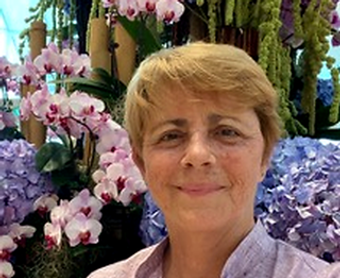
At Stronger Together, Julie will present “The Power of Advocacy: Bridging Gaps Over Time”, reflecting on how informed advocacy, long-term vision and collaboration can bridge service gaps, uphold human rights, foster hope and strengthen connection across mental health systems and communities.
Presentation Abstract:
Reflecting on a career in mental health, this presentation will highlight the power of informed advocacy to gain traction, bridge gaps, uphold human rights and foster hope and connection. It explores the importance of a strategic long-term vision and collaboration, using personal examples of success and ongoing challenges to show why moving forward together is vital for driving change.
3 Key Presentation Take-Aways:
1. Informed advocacy is a powerful tool for bridging service gaps and protecting human rights.
2. Lasting change requires a long-term vision and constant collaboration with others.
3. Sharing lived experience and working together is an essential way to drive change.
About Dr Roheena Tahir Flinders University, SA, Lecturer
Dr Roheena Tahir is a mind coach, PhD-qualified public health and mental health researcher, and Lecturer at Flinders University, with a strong focus on refugee mental health, cultural safety, counselling education and trauma-aware practice. Her doctoral research explored mental health understanding among refugee women and service providers in South Australia, with particular attention to resettlement stressors, systemic barriers, cultural and linguistic access, and the complexity of delivering care across migration contexts. At Stronger Together, Dr Tahir will present “Mental Health Service Providers’ Perspectives on Working with Middle Eastern Refugee Women in South Australia”, sharing qualitative research insights from mental health professionals working with Middle Eastern refugee women.

This session will explore the limits of standard Western assessment models, the role of religion and culture in help-seeking, and the workforce capability needed to provide more culturally responsive, trauma-informed and person-centred care.
Presentation Abstract:
Mental Health Service Providers’ Perspectives on Working with Middle Eastern Refugee Women in South Australia
Refugee women, particularly those from Middle Eastern backgrounds, face disproportionately high rates of mental health issues compared to their male counterparts. However, despite this vulnerability, they often underutilise mental health services due to systemic, cultural, and linguistic barriers. This study explores the experiences of mental health service providers in South Australia working with Middle Eastern refugee women to better understand the challenges and opportunities in delivering culturally appropriate care.
Using a qualitative research design, data were collected through one-on-one interviews with 21 mental health professionals, including psychotherapists, psychologists, general practitioners (GPs), mental health social workers, and community workers, between November 2020 and February 2022. Thematic analysis identified key challenges, including difficulties in using Western assessment tools, mistrust in interpreters, stigma surrounding mental health, and the preference for religious and informal support systems over formal therapy. Findings highlight the critical role of religion and culture in shaping refugee women’s engagement with mental health services. For instance, conflicts between Western medical terminology and cultural beliefs can result in misdiagnosis and non-compliance, further exacerbating mental health disparities.
This research contributes to knowledge and innovation by providing practice-based insights into the limitations of current approaches and identifying opportunities for more culturally responsive frameworks. It underscores the need for targeted workforce innovation and capability-building to enhance mental health service delivery for refugee populations. Findings offer valuable evidence for practitioners, health organisations, and workforce planners to strengthen trauma-informed practice, service sustainability, and inclusive care for refugee women.
3 Key Presentation Take-Aways:
1. Cultural, linguistic, and systemic barriers limit service use
Middle Eastern refugee women experience significant barriers to accessing mental health care, including language challenges, stigma, mistrust of systems, and reliance on informal or religious support networks instead of formal services.
2. Western models of assessment often do not align with lived realities
Service providers report that standard Western diagnostic tools and therapeutic frameworks can conflict with cultural and religious beliefs, contributing to communication breakdowns, misinterpretation of symptoms, and reduced engagement in treatment.
3. Workforce capability and cultural responsiveness are critical gaps
Findings highlight the need for stronger workforce training in culturally responsive and trauma-informed practice, including improved interpreter use, cultural humility, and integration of religious and community contexts into care delivery.
About Bianca and Kritz Sciessere The Big Sister Experience
Bianca and Kritz Sciessere are real-life sisters and co-founders of The Big Sister Experience, an organisation delivering mental health, wellbeing and life-education workshops to young female-identifying people, schools, educators and families across Victoria and beyond. Both former teachers, Bianca and Kritz bring together education, lived experience, storytelling and practical wellbeing facilitation to help communities build self-agency, adaptability and connection. At Stronger Together, Bianca and Kritz will present “Prioritising Your Wellbeing: Removing the Overload to Prevent Burnout in Mental Health Practice”, a practical and reflective session for mental health and wellbeing professionals who are carrying increasingly complex demands.
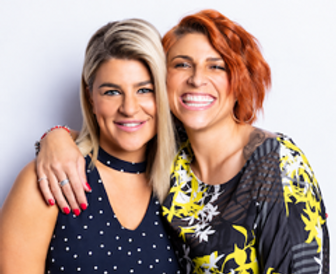
Rather than adding another list of self-care tasks to already full lives, this session asks what can be removed, released or rebalanced so practitioners can create genuine space for sustainable wellbeing, model healthier practice, reduce isolation and continue doing meaningful work without losing themselves in the process.
Presentation Abstract:
Everyone knows it’s impossible to pour from an empty cup. Professionals in the mental health and wellbeing space are more overloaded than ever, with the people they work with presenting with increasingly complex needs, higher demands from leadership and systems, and rising mental health challenges in the community. Yet too often, wellbeing advice simply adds more to our already full plates. In this session, we’ll flip the script: instead of adding more strategies, we’ll focus on what we can take away from our busy work and personal lives to create space for sustainable wellbeing. We’ll explore how mental health practitioners can prioritise their wellbeing to feel stable and confident in supporting clients, while also creating safe, effective spaces for therapeutic work to occur. Together, we’ll examine what you already juggle and seek harmony by removing unnecessary pressures, discuss the importance of focusing on your own wellbeing, and model how to prioritise it in your practice. We’ll also highlight the power of sharing lived experience stories—both our own and those of others—as a vital tool for supporting wellbeing, reducing isolation, and fostering connection in our professional communities. This session aims to empower mental health professionals with tools to recognise the signs of burnout, understand its underlying causes, and implement proactive measures to maintain wellbeing by letting go of what no longer serves us, cultivating a sustainable, fulfilling career in mental health.
3 Key Presentation Take-Aways:
- Practical strategies to identify and remove unnecessary pressures from your work and personal life, creating space for sustainable wellbeing without adding to your workload.
- Ways to model wellbeing prioritisation for clients and colleagues, including the power of sharing lived experience stories to reduce isolation, foster connection, and support collective wellbeing.
- Actionable tips and ideas to begin integrating a sustainable wellbeing practice by letting go of what no longer serves you, starting in your daily life and family routines immediately.
About Sharon Le Fort Le Fort Consultancy Services
Sharon Le Fort is a lived and living-experience speaker, author, advocate and mental health peer practice lead based in Queensland. Her work is grounded in both professional practice and personal experience, drawing on her journey as a survivor of childhood trauma, sexual violence, domestic and family violence, and as a person living with dissociative identity disorder. Sharon brings a powerful and compassionate lens to trauma, recovery and peer practice, shaped by her work in crisis support, suicide prevention, counselling and community mental health. At Stronger Together, Sharon will present “Survival Intelligence: Reframing Trauma, Dissociation and the Behaviours that Kept Us Alive”, a lived-experience session exploring how behaviours often labelled as dysfunction are more accurately understood as intelligent survival adaptations.
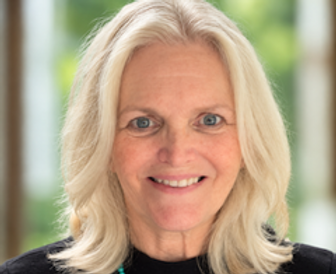
Through storytelling, professional insight and reflections from her memoir Unravelled, Sharon invites participants to replace judgement with curiosity, recognise survival responses without shame, and support healing in ways that honour the parts of people that helped them stay alive.
Presentation Abstract:
Trauma responses are often described as symptoms, dysfunction or behaviours that must be fixed. This lived and living-experience presentation offers another lens: Survival Intelligence.
Drawing on her experiences of childhood trauma, sexual violence, domestic and family violence, and living with dissociative identity disorder, Sharon Le Fort explores how the mind, body and nervous system develop extraordinary ways of surviving prolonged adversity. Hypervigilance, people-pleasing, perfectionism, emotional numbness, avoidance and dissociation are not evidence of weakness. They are intelligent adaptations that once helped a person survive.
Through lived-experience storytelling, insights from her memoir Unravelled, and her work as a mental health Peer Practice Lead, Sharon examins what becomes possible when we replace "What is worng with you?" with "What happened to you, and what did you learn to do to survive?"
This presentation invites peer workers, practitioners and community members to recognise survival behaviours without shame or judgement, respond with curiosity and compassion, and support people to discover who they are beyond the strategies that once kept them alive. It offers a message of hope: we are not broken, and healing does not requires us to reject the parts of ourselves that help us survive.
3 Key Presentation Take-Aways:
1. Reframe survival behaviours as intelligence, not dysfunction
Understand how responses such as hypervigilance, people-pleasing, emotional numbness and dissociation can develop as intelligent adaptions to prolonged adversity.
2. Replace judgement with curiosity and compassion.
Shift from asking, "What is wrong with you?" to "What happened to you, and what did you learn to do to survive?"
3. Support healing without rejecting the survival self.
Recognise that healing is not about erasing the strategies or parts that kept someone alive, but helping them develop safety, choice and a sense of identity beyond survival.
About Carly Bush Impact Advisory Studio
Carly Bush is an executive leader, board director, speaker and Founder of Impact Advisory Studio, with more than 20 years’ experience across finance, philanthropy, governance, leadership and the not-for-profit sector. Alongside her professional career, Carly brings lived experience of chronic illness and endometriosis, offering an honest and deeply relevant perspective on what it means to keep leading, deciding, supporting teams and meeting professional expectations while privately managing pain, fatigue and medical uncertainty. At Stronger Together, Carly will present “The Invisible Load: Leading When Nobody Can See What You’re Carrying”, a lived-experience session exploring the pressure to appear capable, the impact of invisible illness on professional identity, and the role of kindness, boundaries, peer support and psychologically safe workplaces.
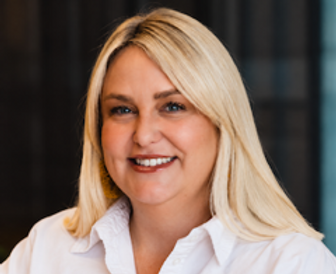
This session invites participants to look beyond the capable exterior and consider how to support colleagues, leaders and peers without diminishing their dignity, ambition or sense of self.
Presentation Abstract:
This session is a candid, practical conversation about living and leading with an invisible chronic illness. Drawing on my own experience of chronic illness and endometriosis while building a career in leadership and governance, I explore what it means to keep showing up while carrying pain, fatigue, uncertainty and professional expectations that other people often cannot see.
The session would focus not simply on resilience, but on the role of voice, boundaries, dignity, peer support and psychologically safer leadership cultures. It also considers what leaders, colleagues and organisations can do differently when someone is carrying an invisible load.
3 Key Presentation Takeaways:
1. Better understand the unseen load people with chronic illness can carry into workplaces and leadership roles.
2. Recognise how boundaries, voice and supportive relationships can strengthen rather than diminish capability.
3. Identify practical ways leaders and peers can create environments where people can ask for support without losing dignity, opportunity or professional identity.
About Lyndall Briggs Our Purple Patch
Lyndall Briggs sits on the AAMHP Advisory Committee. Lyndall is a counsellor, clinical hypnotherapist, supervisor, trainer and President of the Australian Society of Clinical Hypnotherapists, with more than 25 years’ experience in private practice and professional education. Her work brings together clinical hypnotherapy, reflective supervision, neuroscience-informed practice and trauma-informed communication to support helping professionals who are carrying the emotional weight of frontline work. At Stronger Together, Lyndall will present “The Therapist, the Client and the Trance: Understanding the Hidden Patterns That Shape Frontline Practice”, an interactive workshop exploring the unconscious “trances” that can quietly shape professional identity, stress responses, burnout, decision-making and self-care.
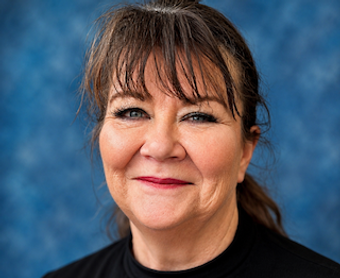
Participants will be invited to reframe hypnosis as a practical, ethical and trauma-informed process of focused attention — leaving with strategies to support nervous system regulation, sleep, emotional recovery, therapeutic communication and sustainable practice.
Presentation Abstract:
Frontline workers regularly operate under conditions of cumulative stress, emotional overload, uncertainty, exposure to trauma narratives, and high interpersonal demand. Over time, these experiences can shape not only behaviour but also the unconscious assumptions, roles, and patterns through which workers perceive themselves, others, and their work.
Drawing on clinical hypnotherapy, neuroscience, reflective practice, and Stephen Wolinsky’s concept of the “trances people live,” this interactive presentation explores how many of the challenges experienced by frontline workers can be understood as unconscious occupational trances. These may include the need to be strong, the pressure to fix problems, the fear of getting it wrong, hypervigilance, perfectionism, or the belief that self-care must come last.
Rather than viewing hypnosis as something unusual or mysterious, participants will explore hypnosis as a natural state of focused attention and heightened responsiveness that occurs throughout everyday life. The session examines how these unconscious patterns influence stress, burnout, decision-making, emotional regulation, communication, and wellbeing.
Participants will learn practical, trauma-informed hypnotic and focused-attention strategies that can support nervous system regulation, resilience, sleep, emotional recovery, and therapeutic engagement. Through discussion, reflection, demonstration, and experiential exercises, attendees will gain a deeper understanding of both the trances that support their work and the trances that may quietly contribute to exhaustion and burnout.
This presentation offers a practical framework for recognising unconscious patterns, increasing flexibility, and developing greater awareness, choice, and resilience in both professional and personal life.
3 Key Presentation Take-Aways:
1. Recognise the hidden "trances" of frontline work
Understand how unconscious patterns, beliefs, and professional roles can shape wellbeing, resilience, decision-making, and responses to stress.
2. Reframe hypnosis as a practical and trauma-informed process
Develop an understanding of hypnosis as focused attention and increased awareness that supports flexibility, nervous system regulation, and therapeutic engagement rather than entertainment or loss of control.
3. Take away practical strategies for sustainable practice
Learn simple, ethical, and trauma-informed techniques to support stress management, emotional recovery, sleep, confidence, therapeutic communication, burnout prevention, and long-term professional wellbeing.
About Emily Mah Sexual Health Victoria - Schools and Community Educator
Emily Mah is a Schools and Community Educator with a background in primary and secondary teaching and a strong passion for Relationships and Sexuality Education. Holding a Bachelor of Arts and Master of Teaching, Emily has worked with young people, professionals and families to strengthen confidence, communication and primary prevention approaches that support young people to care for themselves and others. At Stronger Together, Emily will present “Understanding Young People and Online Sexual Content”, a practical session exploring the changing digital landscape, how young people encounter and interpret sexual content online, and how trusted adults can respond with curiosity, confidence and care.
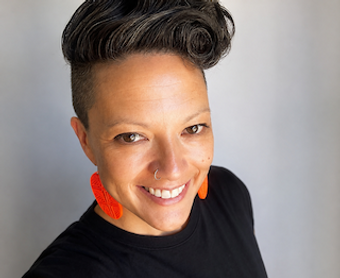
Drawing on Sexual Health Victoria’s work with young people, this session will focus on co-engagement rather than restriction alone, offering strategies to build digital literacy, critical thinking, help-seeking pathways and open, non-judgmental conversations in professional practice.
Presentation Abstract:
The digital environment is moving at a rapid pace and continues to reshape the landscape of sexual content, making it more accessible, algorithmically driven, and embedded across mainstream platforms.
This presentation from Sexual Health Victoria (SHV) provides an overview of current research on young people’s engagement with sexual content online and offers a comprehensive approach to supporting young people, families, and professionals with effective strategies to guide their online navigation.
Rather than relying on content moderation and restriction, strategies will emphasise the importance of co-engagement—working with young people rather than for them—to develop digital literacy, foster critical thinking, and strengthen help-seeking pathways.
Drawing on SHV’s work with young people and through listening to their views and perspectives, these strategies focus on meeting young people where they are at, and will focus on practical, collaborative approaches of support. It will outline our role as trusted adults and why approaches grounded in trust, communication, and skill-building are pivotal.
Attendees will participate in practical activities that will allow them to consider how they will use these newly acquired skills in their professional practice and, importantly, to share their insight and perspectives with their peers.
Participants will leave with a greater understanding of the complex digital landscape, a strengthened confidence to engage meaningfully with young people on this topic and practical ways to support young people and their families to make safer decisions online.
3 Key Presentation Take-Aways:
1. A clear understanding of current trends in the online sexual content landscape and how young people experience and interpret this content
2. Practical strategies to support safe, informed, and confident online navigation
3. Tools to foster open, non-judgmental conversations with young people
About Pamela McConchie PMC Counselling and also at
Life Vision Counselling
Pamela McConchie is a Master and Bachelor qualified counsellor, Level 4 ACA Counsellor, and lived experience advocate in the area of domestic and family violence. She is the creator of Breaking Your Mold, a leadership and self-empowerment program for women survivors of domestic violence, funded through the Victorian Women’s Trust. Drawing on both professional expertise and lived experience, Pamela brings a compassionate, trauma-informed lens to supporting victim-survivors and helping practitioners better understand the unique dynamics of domestic violence, coercive control, ongoing abuse and chronic post-traumatic stress.
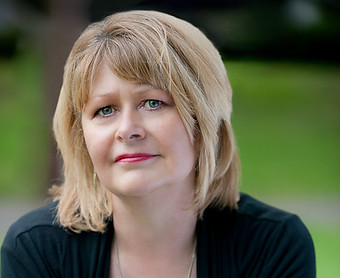
At Stronger Together, Pamela will present “What Do I Say? Practical Skills for Counselling Domestic Violence Survivors”, an interactive workshop offering practical language, reflective discussion and immediately usable strategies for responding safely to disclosure, asking supportive questions, and creating a therapeutic space where survivors feel heard, believed, respected and empowered.
About Rodney Vlais Psychologist, Trainer, Supervisor
Rodney Vlais is one of Australia’s leading presenters, trainers, supervisors and writers in responding to men who use domestic, family and sexual violence. A psychologist and experienced men’s behaviour change practitioner, Rodney has contributed to violence response and prevention initiatives across Australia, working with NGOs and governments in almost every state and territory. At Stronger Together, Rodney will present “Responding to Clients in Mental Health Service Settings Who You Know or Suspect Are Using Domestic and Family Violence”, an interactive workshop for mental health practitioners and peer responders who may encounter clients using violent, controlling or harmful behaviours. The session will explore how to open non-collusive, non-shaming conversational pathways when it is safe to do so, while keeping the safety and wellbeing of adult and child victim-survivors firmly in view.
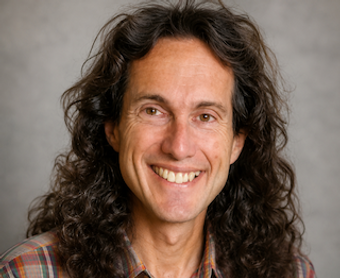
Participants will be introduced to foundational concepts and skills for shame-sensitive engagement, risk awareness, accountability, and safer practice within the limits of their role.
Presentation Abstract:
Men and other adults who use domestic, family and sexual violence commonly present to mental health services. Yet mental health practitioners can often be unsure about how to safely respond in ways that contribute towards safety for those who experience the client's violent and controlling behaviours, rather than causing them further harm. This workshop will build upon the existing skills of mental health professionals and peer responders to open up non-collusive, non-shaming conversational corridors with clients about their harmful behaviours, when it is safe to do so. It will introduce some of the foundational concepts and skills for engaging clients about these behaviours in ways that minimise the risk of jeopardising therapeutic and support relationships. The workshop will also include a focus on listening out for indicators of escalating risk to adult and child victim-survivor safety and well-being.
3 Key Presentation Take-Aways:
Learn how to understand the use of domestic, family and sexual violence through an integrated feminist and trauma-informed lens.
Build shame-sensitive skills that neither collude with the client's violence-supporting belief systems and narratives, nor adopt a persecutory or oppositional approach.
Learn what you might be able to do safely in your role to sow seeds or scaffold the adult in next steps on a journey towards responsibility taking and accountability.
About Amy-Ruth Lewis Mental Health Facilitator
Amy-Ruth Lewis is a professional speaker, mental health facilitator and suicide prevention advocate who brings together personal lived experience and professional experience across the mental health sector. With work spanning workplace and community mental health education, crisis support, lived experience advisory roles, and organisations including Black Dog Institute, Beyond Blue, Lifeline and the Danny Frawley Centre, Amy-Ruth is deeply committed to creating safe, purposeful conversations that challenge stigma and build connection. At Stronger Together, Amy-Ruth will present “Conversations That Change Things: Turning Lived Experience into Connection and Impact”, exploring how lived experience can be shared safely, intentionally and with purpose to create trust, hope, agency and meaningful change.

This session will help participants understand the barriers that stop people reaching out, strengthen confidence in starting difficult conversations, and offer practical ways to listen with curiosity, stay present, and resist the pressure to have perfect words or immediate answers.
Presentation Abstract:
Sometimes the conversations that change us most aren't the ones where someone has the perfect words. They're the ones where someone is willing to sit beside us, listen, stay curious and remind us that we're not alone.
Drawing on my own lived experience alongside my work in mental health and suicide prevention, this presentation explores the power of human connection and what can happen when lived experience is shared safely, intentionally and with purpose.
I'll reflect on conversations that have shaped my own journey, including the moments where silence created isolation and then moments when another person's willingness to say "me too" changed what felt possible. From there, we'll explore how lived experience can create connection, challenge stigma and open conversations that might otherwise never happen.
This session will also consider the difference between sharing our story and using lived experience with intention. How do we create conversations that are mutual rather than one-directional? How do we resist the urge to fix or provide the perfect response? And how does curiosity, vulnerability and genuine listening create space for hope, agency and possibility?
We will also cover barriers that stop us reaching out and how to move through them, especially when we genuinely don't know how or where to start.
Participants will leave with practical reflections they can bring into peer support, workplaces, communities and everyday relationships - and a reminder that creating impact doesn't always require having the right answer. Sometimes it begins with just being willing to have the conversation. Finally, participants will also leave with simple, realistic ways to approach difficult conversations and greater confidence to turn connection into meaningful impact.
Key Presentation Take-Aways:
- A greater understanding of common barriers that stop us starting meaningful conversations - and practical ways to move through them.
- Increased confidence to start a conversation, even when they don't know exactly what to say.
- Practical strategies for listening with curiosity, starting present and resisting the urge to immediately fix or solve.
- An understanding of how to use lived experience, when shared safety and intentionally, can build trust, reduce stigma and create genuine connection.
- Simple tools and language they can use in peer support, workplaces, communities and everyday conversations.
- A reminder that meaningful impact doesn't require perfect words or all the answers, sometimes the most important thing is being willing to start.
About Sam Alameh Author and Speaker
Sam Alameh is a Melbourne-based writer, author and late-diagnosed autistic/ADHD adult whose work explores masking, burnout, sensory load, executive function, grief, recovery and the practical redesign of life around neurodivergent brains. Through books including The Manual That Never Came, Man. You. Well., and Small Lights for Long Nights, Sam writes from lived experience with plain language, systems thinking and a grounded honesty about what it can cost to appear capable while privately struggling. At Stronger Together, Sam will present “Looking Fine Was Not The Same As Being Well”, a lived-experience session exploring late-diagnosed neurodivergent adulthood, masking, burnout and the hidden cost of functioning.
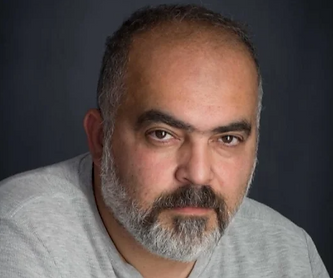
This presentation invites peer supporters, practitioners, carers and community members to think differently about support — moving beyond “are they coping?” toward the more useful question: what is the coping costing?
Presentation Abstract:
This lived-experience presentation explores late-diagnosed neurodivergent adulthood, masking, burnout and the hidden cost of functioning. Many autistic, ADHD and AuDHD adults spend years appearing capable while privately carrying sensory load, social translation, executive function strain and recovery debt. The session gives peer supporters, practitioners, carers and community members practical language for the difference between performance and wellness. It is not a clinical lecture. It is a grounded account of what support begins to look like when we stop asking whether someone is coping and start asking what the coping is costing.
3 Key Presentation Take-Aways:
1. Functioning is not the same as wellness. People can be performing well while privately accumulating serious cost.
2. Masking is not dishonesty. It is a survival strategy, but it creates a debt the body eventually collects.
3. Support becomes more useful when it starts with the real system in front of us: energy, sensory load, recovery time, clear language and realistic capacity.
About Toni Knight Psychotherapist
Toni Knight is a degree-qualified psychotherapist and presenter specialising in burnout, anxiety and trauma. She has worked with organisations including Occupational Therapy Australia, Dementia Australia, Relationships Australia, government Area Health Services and a wide range of smaller organisations across Australia and internationally. Toni supports high-achieving professionals to build practical, sustainable strategies for personal and professional wellness, effectiveness and resilience. At Stronger Together, Toni will present “Advanced Stress and Burnout Management: The High-Performance Blueprint for Personal and Professional Success”, a 90-minute intensive exploring how professionals can move beyond generic self-care advice and develop a more systematic approach to stress, nervous system regulation and sustainable performance.
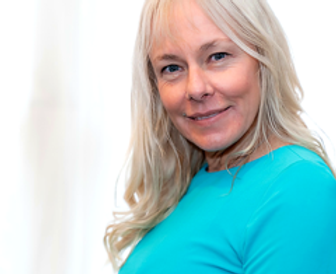
Drawing on the Stop Burnout, Be Brilliant framework, this session will help participants understand the shift from reactive survival to more grounded, self-led and effective practice.
Presentation Abstract:
Advanced Stress and Burnout Management - The High-Performance Blueprint for Personal and Professional Success
The Problem: In today's "grind culture," burnout is often treated as the inevitable price of success. However, chronic stress is actually a "biological parasite" that saps your IQ, kills creativity, and forces you into a primitive "survival mode". Most professionals try to think their way out of depletion, only to find their "thinking brain" has gone offline.
The Transformation: This 90-minute intensive moves beyond generic self-care advice to deliver a systematic, evidence-based approach to Mindful Self-Leadership. Drawing from the Stop Burnout, Be Brilliant framework, you will learn to transition from the "Red Zone" of reactive survival to the "Green Zone" of professional genius.
Who This Is For: High achievers who are ready to stop "simply surviving" and start succeeding with sustainable brilliance.
Key Presentation Take-Aways:
The Three Pillars of Resilience: Master the cycle of Safety, Self-Agency, and Sufficiency to create a "Healthy Haven" even in high-pressure environments .
Biological Reset Kits: Learn rapid-response techniques like 3-5-1 Breathing and The Wet Noodle to reactivate your parasympathetic nervous system in under 60 seconds.
The Experimenter’s Mindset: Adopt an elite professional's approach to problem-solving that eliminates personal failure.
Job Crafting & Assertiveness: Gain practical tools to rebalance your "body budget" by negotiating boundaries and optimizing your workload for maximum ROI.
About James Podhorodecki Alpha Hypnotics
James is a clinical hypnotherapist. He is also an author with two books published to an international audience, one a collection of poetry and the other a novel.
His practical therapeutic interests lay in gestalt hypnotherapy, parts therapy, and the implementation of existential phenomenology in a therapeutic setting.
He is a published and peer-reviewed philosopher of Hegelian dialectical ontology.
He has academically researched and written on hypnotherapy for ADHD in one of the worlds leading peer reviewed hypnosis journals (American Journal for Clinical Hypnosis), coming up with a highly original and natural method for managing ADHD symptoms, making him a leading global expert in hypnotherapy for ADHD. He is continuing his post graduate philosophical research focusing on phenomenology, ontology, aesthetics, and authenticity in Sartrean existentialism. He has found that these subjects directly tie in with his therapeutic work.
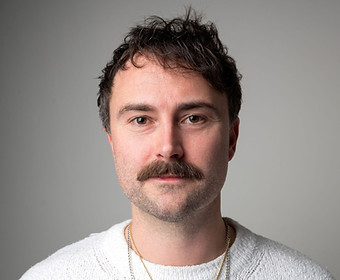
About Michelle Hunt Blue Wren Therapy
Michelle Hunt is the senior practitioner at Blue Wren Therapy and creator of the Unstuck Method and Unstuck Card Deck, a creative five-step process designed to help people move through feeling stuck, reconnect with perspective, and create new pathways forward. Working in private practice since 2017, Michelle brings together clinical experience, lived experience, creativity and a deep curiosity about what helps people make meaningful change. At Stronger Together, Michelle will present “Getting Unstuck Together: A Creative Approach to Burnout and Change”, sharing both the practical framework of the Unstuck Method and her own journey through burnout and compassion fatigue toward renewed purpose, creativity and hope.
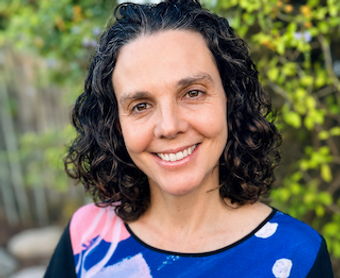
Participants will be invited to explore how curiosity, play, reflection and perspective-shifting can support self-awareness, peer support, professional wellbeing and more sustainable helping practice.
Presentation Abstract:
The Unstuck Method is a five-step process designed to help people get curious, explore different perspectives, and experiment with ideas to create new opportunities and pathways forward. This presentation will introduce the Unstuck Method and demonstrate how the Unstuck Card Deck can be used to facilitate reflection, creative problem-solving, and meaningful change.
The development of the Unstuck Method and Card Deck is also a personal story of moving from burnout and compassion fatigue to creativity, hope, and renewed passion for the helping professions. Through sharing this lived experience, participants will hear the Unstuck Method in action while reflecting on their own wellbeing, purpose, and capacity for growth.
This presentation is designed to leave participants feeling inspired, energised, and equipped with practical tools to support both themselves and the people they work with.
3 Key Presentation Take-Aways:
1. Understand how curiosity, perspective shifts, and play can help people move through feeling stuck.
2. Learn practical ways to use the Unstuck Method and Card Deck for self-reflection, peer support and helping professions.
3. Reflect on personal and professional burnout patterns and identify ways to reconnect with purpose and energy.
About Andrei Satcau STEO Pty Ltd
Andrei Satcau is a Melbourne-based entrepreneur, producer, editor and multidisciplinary creative whose work sits at the intersection of storytelling, mental health, mindfulness and human transformation. As the founder of STEO, a personal development platform supporting self-reflection, conscious habit change and deeper awareness, Andrei brings a creative and lived-experience lens to the patterns that shape how we think, feel and respond. At Stronger Together, Andrei will present “From Autopilot to Awareness: Mindful Practice, Self-Observation, and Shaping Your Reality”, exploring how perception, inner dialogue, emotional regulation and daily choices influence the way we experience ourselves, our relationships and the world around us.

This session invites participants to consider how small, intentional practices can help move us from unconscious patterns and reactivity toward greater awareness, choice and meaningful personal change.
Presentation Abstract:
This presentation explores how self-awareness and mindful practice can become powerful tools for personal transformation.
Through my own lived experience of moving from unconscious trauma patterns and emotional reactivity toward greater mindfulness and intentional living, I will speak about the role perception plays in shaping our reality. The presentation will examine how inner dialogue, emotional regulation, and repeated daily choices influence the way we experience ourselves, our relationships, and the world around us.
I will also introduce STEO, a platform created to support self-reflection, conscious habit change, and deeper awareness of the patterns that shape our lives. This talk is designed to offer both personal insight and practical value, encouraging people to move from autopilot into greater awareness, choice, and meaningful change.
3 Key Presentation Take-Aways:
-Awareness is the first step in recognising the unconscious patterns, beliefs, and emotional reactions shaping our lives
-Mindful practice and self-observation can help people regulate emotions, rewrite inner narratives, and make more intentional choices
-Small daily actions, repeated over time, can support meaningful personal transformation and a more conscious way of living
Three streams on the day
This conference is structured around three complementary streams that you can move between on the day:
1. Learning Dialogue
Grounded talks and facilitated conversations that explore what trauma is, how it accumulates, and how it often shows up later... personally, professionally, and relationally.
2. Skills You Can Use on Monday Morning
Practical tools, frameworks and skills labs designed for real-world settings such as what to say, what not to say, how to listen well, and how to support someone without becoming their only support.
3. Lived Experience Stories
Stories that build understanding, reduce stigma, and remind us what hope, recovery, and community can look like, especially when systems are stretched.
Who this conference is for
Stronger Together is for anyone working in, or supporting those working in, high exposure, high responsibility environments, including:
-
professionals, employers and organisational decision makers responsible for workplace psychological health, occupational safety, employee wellbeing, governance, leadership and the management of workplace trauma.
-
It will be particularly valuable to:
-
Emergency services and first responders: Paramedics, ambulance personnel, police officers, firefighters, emergency management practitioners and other frontline professionals exposed to high pressure or traumatic incidents.
-
Healthcare, medical and allied health professionals: Medical practitioners, nurses, hospital administrators, clinical leaders, psychologists, counsellors, rehabilitation practitioners and mental health professionals.
-
Employee Assistance Program and wellbeing providers: EAP practitioners, counselling services, workplace mental health advisers, trauma support providers and employee wellbeing specialists.
-
Organisational leaders and senior management: Chief executives, board members, directors, senior managers, supervisors and individuals responsible for organisational governance, workplace culture and employee safety.
-
Human resources and workplace relations professionals: HR managers, employment relations advisers and personnel responsible for managing workplace complaints, employee wellbeing and organisational responses to psychosocial hazards.
-
Government and public sector personnel: Local government councillors, council executives and officers, public administrators and personnel working across local, state and Commonwealth government agencies.
-
Occupational health and safety professionals: OHS advisers, psychosocial risk specialists, workplace investigators, compliance officers and organisational risk managers.
-
Legal and governance practitioners: Lawyers, in house counsel, regulatory advisers and professionals working in employment law, occupational health and safety, litigation, governance and organisational accountability.
-
Community and social service organisations: Social workers, community service professionals, not for profit executives and personnel working in demanding, high risk or trauma exposed service environments.
What we’ll explore
Topics across the day will include:
-
Trauma that emerges later, delayed impact and cumulative exposure
-
Vicarious trauma and compassion fatigue: the “slow build” effect
-
Moral injury, shame, and the hidden layers of distress
-
The ripple effects: relationships, family life, workplace conflict, isolation and withdrawal
-
Trauma as a precursor to other issues such as domestic violence, separation, friendship strain, suicide risk, and disengagement from work and society
-
What peer support can (and cannot) responsibly hold
-
How institutions can back peer support with safe pathways, supervision, and clinical escalation
-
How to build a culture where checking in is normal and follow-through is real
Safety & Wellbeing on the day - The Chill and Create Space
Safety and wellbeing are built into the conference experience: sessions will be trauma-informed, with clear content advisories and the option to step out or opt out at any point (no explanations, no penalties).
A dedicated quiet room known as the Chill and Create Space is available throughout the day, staffed by qualified clinicians, with debrief pods offered after skills labs for anyone who wants to ground, process, or reset. After the event, we’ll send a follow-up check-in email with supports, resources, and pathways to further help if needed.
Some of the conversations at Stronger Together may be powerful, personal or emotionally activating. We are designing the day with this in mind, and delegates will have access to a dedicated Chill & Create Space throughout the conference.
This is a calm, low-pressure area where you can step away from the program, sit quietly, have a tea or coffee, doodle, use your hands creatively, or simply take a moment to breathe.
The space will be supported by Kait Luker from The Poppet Centre, whose creative work is grounded in the idea that making can offer people a gentle way to pause, settle and reconnect. The Poppet Centre’s creative programs emphasise relaxed participation, connection, simple materials, and mindful making without pressure or perfection.
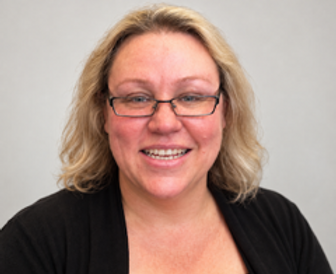
The Chill & Create Space is not a formal workshop and it is not therapy. You do not need to be artistic, skilled or ready to talk. You can come in for five minutes or stay longer. You might sketch, doodle, make something small, sit with a cuppa, or simply use the space as a quiet reset. Sometimes when ideas, emotions or memories feel difficult to process, doing something simple with the hands can help create a sense of grounding, rhythm and return.
Kait Luker from The Poppet Centre
Partner with us:
If your organisation supports veterans, first responders, healthcare workers, welfare teams, or peer support practice we’d love to explore partnership opportunities for promotion, participation, and on-the-day involvement.
Please contact us now.
Proudly brought to you by:
.jpg)






_edited.png)
Contact
Like what you see? Get in touch to learn more.